An Overview of Australia's Protection Visa Categories
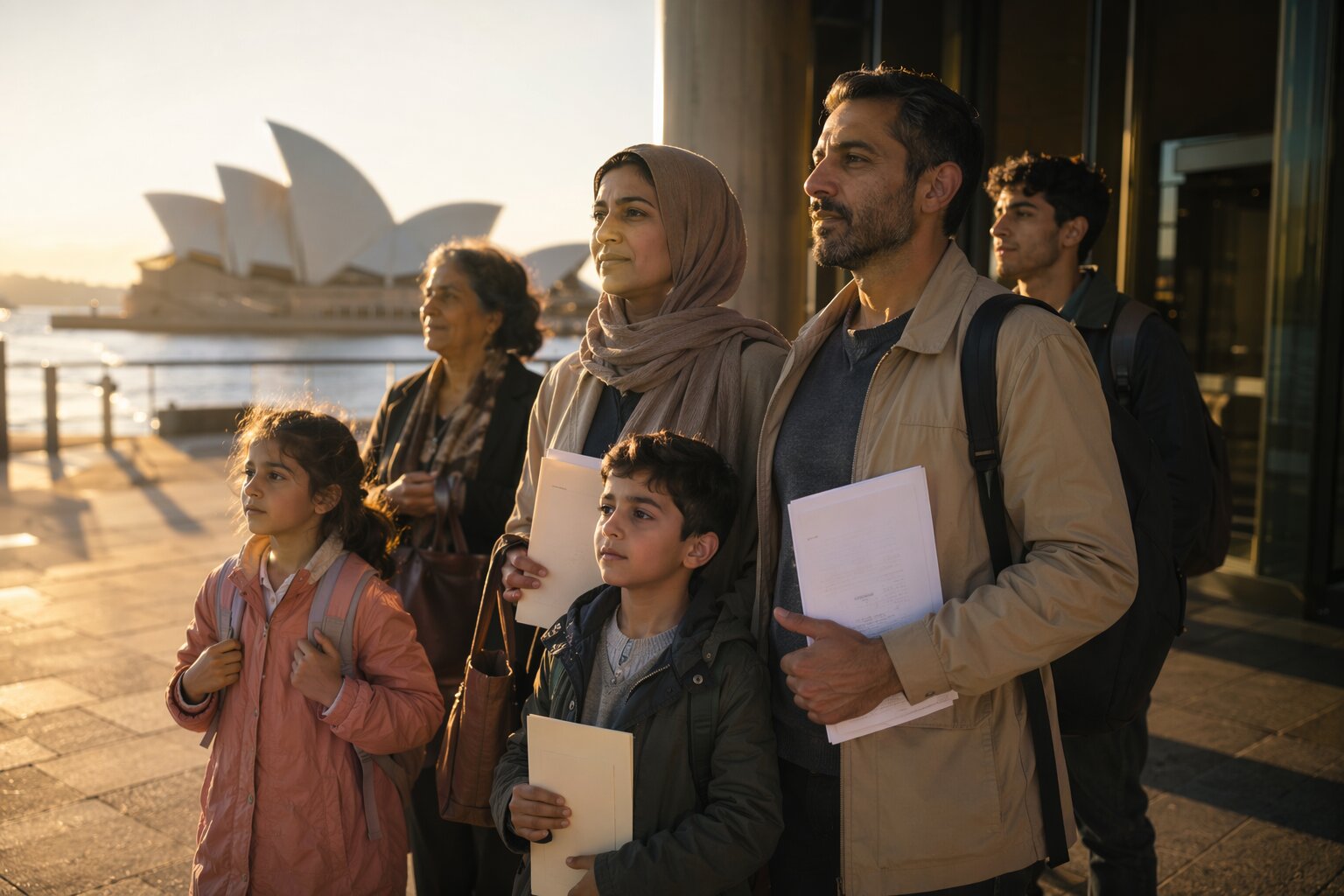
When you start looking into Australia’s protection visa categories, you’ll see that there’s more nuance than you might expect. Whether you’re interested in permanent options, temporary pathways, or new support initiatives, you’ll want to know who qualifies, how different visas work, and what these choices mean for families or individuals facing danger. Before deciding on a path, you need to understand why small details can shape your future in ways you might not anticipate.
Permanent Protection Visas
A Permanent Protection Visa (PPV) allows eligible individuals to reside in Australia indefinitely and grants access to essential services, including healthcare, education, and social security benefits. Asylum seekers who hold a valid visa may apply for a Permanent Protection Visa, which enables them to access Status Resolution Support as well as education and employment services.
Holders of a PPV also have the ability to sponsor eligible family members for visas, which can facilitate family reunification in Australia. Furthermore, after a period of residency, individuals may be eligible to apply for Australian citizenship, thus enhancing family unity and integration into Australian society.
It is important to note that, due to legislation enacted by the Abbott government, individuals who arrived by boat after the year 2014 are ineligible for a Permanent Protection Visa, which has created a significant barrier for many seeking asylum.
The support and rights afforded to visa holders may be further extended through various service providers within the Humanitarian Program, which is designed to respect and engage with the perspectives of First Nations Peoples and custodians, both past and present.
Temporary Protection Visas
If you are seeking Refugee Protection in Australia, you may consider applying for a Temporary Protection Visa (TPV). This pathway was re-established by the Abbott government in December 2014 and is valid for a period of three years. It is important to note that holders of a TPV are not permitted to sponsor family members for migration to Australia, nor can they apply for permanent visas during the duration of the TPV.
TPV holders do have access to Medicare and are eligible for monthly Status Resolution Support Services, which can provide financial assistance while their claims for protection are resolved. However, educational and employment opportunities for TPV holders are limited, primarily offering access to programs such as the Adult Migrant English Program.
There are notable concerns surrounding the impact of TPVs on the mental health and rights of asylum seekers, as highlighted by various service providers. Furthermore, TPVs are processed under the 'Fast Track' immigration policy, which may affect the overall experience of applicants navigating the system.
In summary, while the TPV provides certain supports, it also imposes significant limitations that can impact the well-being and future prospects of individuals seeking asylum in Australia.
Safe Haven Enterprise Visas
The Safe Haven Enterprise Visa (SHEV) is one of Australia's temporary protection options tailored for asylum seekers who aim to establish a life in regional areas. This visa, which falls under the Humanitarian Program, is valid for a duration of five years.
To qualify for a SHEV, applicants must commit to working or studying in designated regional locations, thereby promoting local educational and employment opportunities.
It is important to note that while the SHEV allows access to certain health care services and protection rights, it does not confer permanent residency status.
Holders of this visa are restricted from receiving Special Benefit payments and are ineligible to apply for a Permanent Protection visa during its validity. This creates a distinct boundary between temporary and permanent migration pathways for asylum seekers, which individuals must consider when weighing their options.
Bridging Visas and Status Resolution Support
While your protection visa application is being assessed, bridging visas permit you to remain in Australia legally, thereby alleviating concerns regarding your immigration status. These visas grant access to certain health services, as well as temporary support through the Status Resolution Support Service (SRSS). This program assists individuals seeking asylum in meeting their basic needs; however, eligibility for such support can vary significantly.
It is important to note that access to education and employment for individuals on bridging visas is typically restricted. While children are permitted to attend school, adults often face fees to enroll in educational programs.
Bridging visas do not confer a pathway to permanent residency; they are intended solely to maintain an individual's legal status while their application for a Refugee or Special Humanitarian Program visa is processed.
Furthermore, the rights associated with bridging visas are limited. The immigration system has undergone significant changes, particularly with the introduction of the ‘Fast Track’ process under the Abbott government's policies. These changes continue to be a subject of critique and analysis within the broader discourse on immigration and asylum processes in Australia.
Eligibility Criteria and Arrival Methods
The eligibility for different protection visas in Australia is significantly influenced by the manner of entry into the country. Individuals seeking asylum without a valid visa, particularly in the context of the legislative changes implemented during the Abbott administration, may find their options restricted primarily to Temporary Protection Visas (TPV) or Safe Haven Enterprise Visas (SHEV).
These visas confer limited rights, including restricted access to family reunion.
Conversely, individuals who enter Australia with valid visas are afforded the opportunity to apply for Permanent Protection Visas. This pathway offers the possibility of achieving permanent residency, which in turn provides access to healthcare, education, and employment opportunities.
Navigating the immigration landscape can be complex, and various service providers, along with Status Resolution Support and advocacy from First Nations groups, play a significant role in assisting individuals through the process.
It is crucial for applicants to thoroughly understand the specific eligibility criteria and rights associated with each type of visa, as they differ markedly depending on individual circumstances.
Psychological and Social Impact
Uncertainty surrounding temporary visa status significantly influences the daily lives of holders of Temporary Protection Visas (TPV) and Safe Haven Enterprise Visas (SHEV). These individuals often experience increased levels of anxiety, depression, and post-traumatic stress symptoms.
Navigating Australia's Protection visa system can present several challenges, particularly for TPV and SHEV holders, who may face restricted access to essential services such as healthcare, Status Resolution Support, education, and employment opportunities. One of the best ways to overcome those challenges is to hire a firm that deals specifically with such chase, like Protection Visa Australia. Learn more at:
protectionvisaaustralia.com.au
The impact of family separation and the absence of a clear pathway to permanent residency further exacerbate feelings of isolation and insecurity among these individuals.
Service providers frequently report ongoing difficulties faced by TPV and SHEV holders, many of whom struggle to fully integrate into Australian society. Ensuring that individuals seeking asylum have access to their rights and necessary support remains vital, yet these resources are often limited.
This situation underscores the need for a comprehensive approach to address the psychological and social challenges faced by this group.
Historical Policy Changes
Since the late 1990s, Australia’s protection visa policies have experienced numerous amendments, typically in response to shifts in political priorities and migration trends. In 2014, the Abbott government enacted legislation that reinstated the Temporary Protection Visa (TPV) and the Safe Haven Enterprise Visa (SHEV).
This legislation effectively limited access to Permanent Protection visas for individuals arriving by boat, confining applicants to Temporary visas. This shift has contributed to ongoing uncertainty concerning the legal status and rights of those affected.
The implementation of the Fast Track process has resulted in many asylum seekers, who are seeking Refugee Protection, facing diminished opportunities for meaningful review of their cases. This situation has impacted their access to health services and resolution support, leading to challenges that service providers currently encounter on a monthly basis.
Additionally, Australia's immigration history is highlighted by the perspectives of Traditional Custodians and Elders, who offer essential insights into the evolving landscape of the nation’s approach to immigration.
Family Reunion and Split Family Provisions
Family reunification is a significant element within Australia's humanitarian program, particularly in relation to the framework surrounding protection visas. Individuals holding Protection visas, such as Temporary Protection Visas (TPV) or Safe Haven Enterprise Visas (SHEV), face a more restrictive environment for reuniting with family members compared to other categories of the Humanitarian Program.
To pursue family reunion, applicants must navigate the Special Humanitarian Program (SHP) visa pathway, which has become increasingly stringent following legislative changes implemented by the Abbott government in September 2012.
These restrictive provisions can limit timely access to immigration support for those impacted, which in turn affects their health, rights, and overall emotional well-being. While support from service providers and Status Resolution Support is available, individuals often encounter significant delays in the process, which can exacerbate the challenges faced by those seeking asylum in Australia.
This situation underscores the complexities and difficulties inherent in the current family reunion policies within the humanitarian framework.
Women at Risk and Emergency Visa Streams
Australia’s Refugee and Humanitarian Program includes specific visa streams designed to address the needs of vulnerable populations. One such option is the Women at Risk visa, which is available for individuals seeking asylum who lack male protection and are facing ongoing threats in their home countries.
The Emergency visa (subclass 203) serves to provide immediate protection to those in urgent danger, functioning alongside Temporary and Safe Haven Enterprise Visas (SHEVs) to offer varied levels of security based on individual circumstances.
Additionally, service providers play a crucial role in facilitating access to essential services such as health care, education, and employment. Status Resolution Support is also available to assist with the process of regularizing immigration status.
Eligibility under the Special Humanitarian stream may extend to family members of applicants, which aligns with the Australian government's legislative measures aimed at upholding rights and resolution for affected individuals.
This multifaceted approach reflects a commitment to addressing the needs of those at risk while promoting an orderly and fair immigration process.
Community Sponsorship and Integration Initiatives
Community sponsorship initiatives play a significant role in Australia's approach to refugee resettlement and integration. Applicants for refugee visas, including Permanent Protection, Temporary Protection Visa (TPV), Safe Haven Enterprise Visa (SHEV), or Special Humanitarian categories, can do so through Approved Proposing Organisations.
These organisations collaborate with refugees to facilitate access to education and employment over a period of five years.
Programs such as the Community Support Program and the Community Refugee Integration and Settlement Pilot (CRISP) are designed to enhance refugees' status resolution, rights, and health, aiding individuals who are seeking asylum.
Legislative measures implemented during the Abbott government have aimed to promote structured integration processes, emphasizing the importance of integrating refugees into Australian society.
In the context of resettlement, it is also important to acknowledge and pay respects to First Nations Elders, past and present, who are the traditional custodians of the land.
This recognition underlines the significance of cultural sensitivity in the resettlement process for both refugees and the local communities they join.
Conclusion
Navigating Australia’s protection visa system can seem overwhelming, but understanding the different categories and your entitlements is essential. You’ll find that, despite challenges, support services and advocacy groups are available to help you through the process. As policies continue to evolve, staying informed allows you to make the best decisions for your situation. By seeking protection in Australia, you’re taking an important step toward safety, stability, and building a future for yourself and your loved ones.


